
New book · Kindle pre-order open
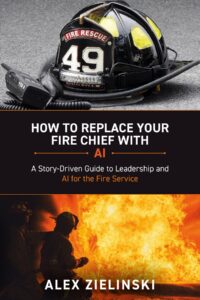
How to Replace Your Fire Chief With AI
A story-driven guide to leadership and AI for the fire service. Paperback and Kindle editions release October 27.
Train. Teach. Lead.
Practical tools, original research, and leadership resources for firefighters, instructors, and fire service leaders. Built by a working fire chief, not a vendor.

Train
Get reps before it counts. AI simulators put you in an evolving incident as Company Officer or Battalion Chief, run leadership conversations that push back like real people, and prep you for Firefighter I and HazMat Awareness certification.
Plus free tools: a live gas monitor simulator for instructors, forcible entry review, daily drills, and training timers.
Teach
Instruction that sticks. Writing on learning science, retention, and why the lecture usually is not the problem, alongside tools built for the person at the front of the room.
The Fire Service AI Explorer hands you copy-ready prompts for the work you actually do: SOGs, grant narratives, drill design, study guides. Free, unlimited, no account.
Lead
Leadership that holds up under load. Writing on accountability, delegation, and the conversations most officers avoid until they have waited too long.
Plus consulting and speaking for departments working through training programs, industrial response, or organizational change.
Research and Advocacy
Industrial and privately employed firefighters face the same carcinogens as everyone else on the fireground, and most states leave them without legal protection. That gap is the focus of ongoing peer-reviewed research and federal advocacy documented here.
- Same Risks, Unequal Protections: an interactive briefing on the federal PSOB exclusion and what it would take to close it.
- Occupational Cancer Protection and the Exclusion of Industrial Firefighters: peer-reviewed statutory analysis across 57 U.S. jurisdictions, published in the Journal of Occupational and Environmental Medicine.
- Industrial Firefighter Fatalities: a continually updated record of line-of-duty deaths in a population excluded from national statistics.
- Open datasets: Zenodo-archived data on cancer presumption law, industrial LODDs, and off-site response.
How to Replace Your Fire Chief With AI
A leadership fable about what AI actually means for the fire service, and what it cannot replace. Companion site at chiefbot9000.com.
Work With Me
Speaking, consulting, and program development for municipal and industrial departments. Conference sessions, training program design, and industrial emergency response.
On the calendar
Upcoming Speaking
Conference sessions and trainings on the calendar. Come say hello.
Symposium in the Sun
The National Cancer Protection Gap: What the National Data Says About Volunteer Cancer Presumption Laws
Clearwater, FL
Virginia Fire Rescue Conference
How to Kill Micromanagement: Why Firefighters Stop Trusting Their Officers
Virginia Beach, VA
Recent Posts
- The Survival Stick Under a 33-Foot Roof
- How to Replace Your Fire Chief With AI: Available October 27
- Stop Narrating the Scenario. Let Them Read It.
- Why Firefighters Can Struggle to Retain What You Teach
- The Rulemaking Window Is Here, and Most Industrial Firefighters Don’t Know It
Shop
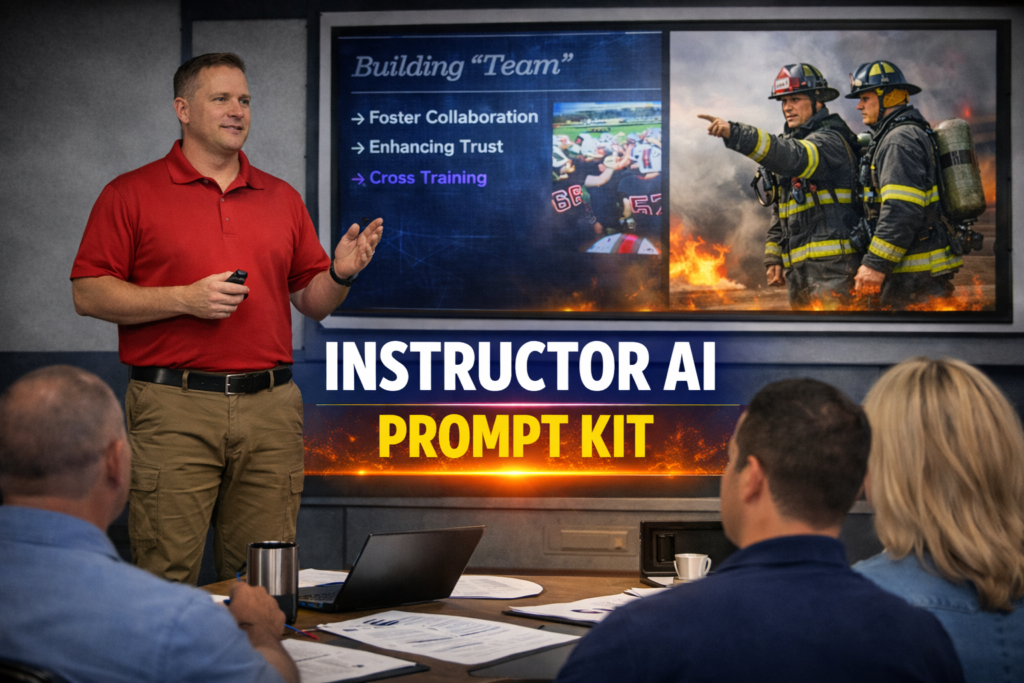
Fire Service Instructor AI Prompt Kit
Most fire service instructors using AI are getting mediocre results. Not because the tools aren’t capable — because the prompts are too vague. This kit documents a real methodology built […]
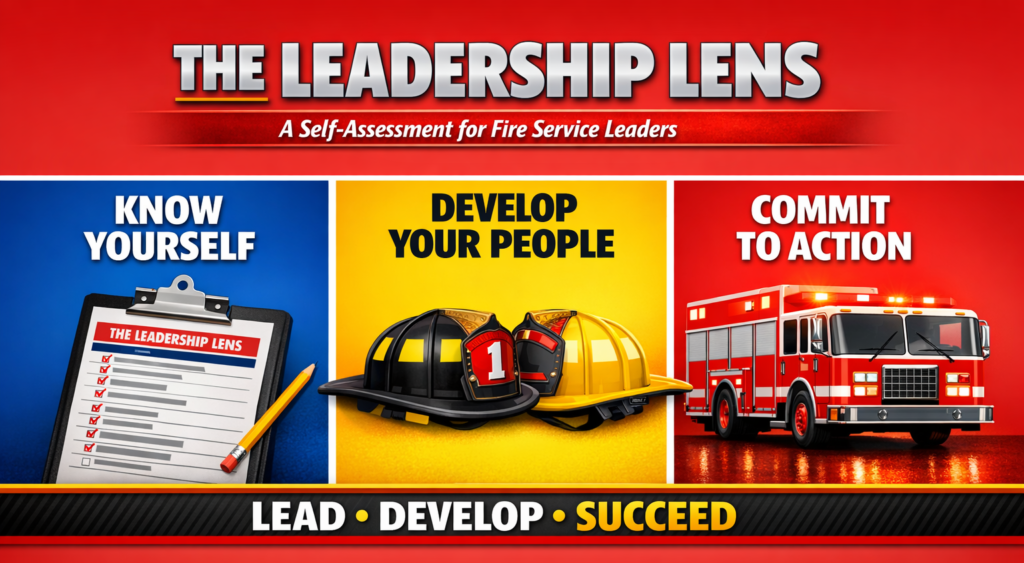
Leadership Lens
A Practical Self-Assessment for Fire Service Leaders The Leadership Lens is a structured, field-tested self-assessment designed specifically for fire service and emergency response leaders who want to lead with greater […]
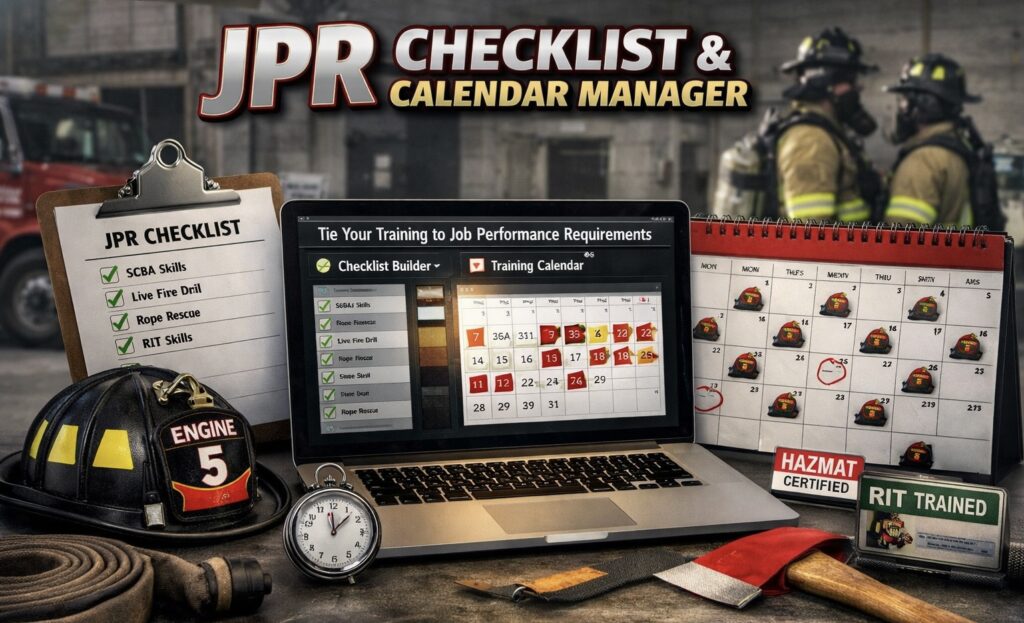
JPR Checklist and Calendar Manager
NFPA-Aligned. Department-Ready. The Fire Service JPR Training Planner is a digital tool that helps departments design, document, and deliver training programs that actually build capability — not just check boxes.This […]
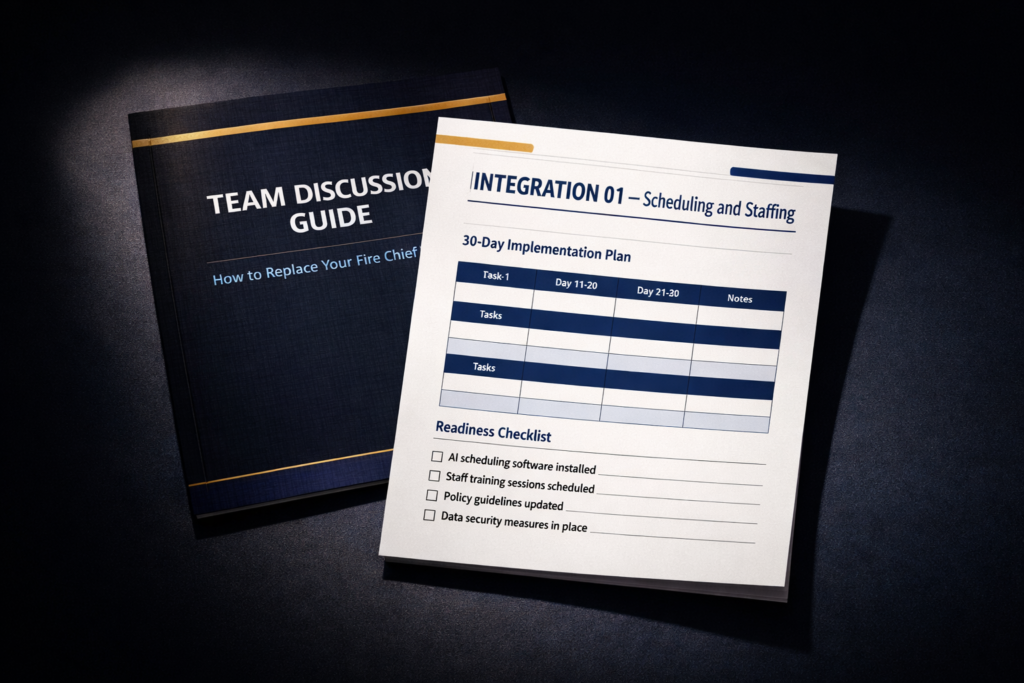
Department AI Workflow Implementation Guide & Team Discussion Guide
Stop knowing you should use AI. Start building the workflow that actually returns time. Format: PDF Two-Document Bundle — instant download after purchase What it is Chapter 9 of How […]