The warning signs in line-of-duty death investigations are usually in a department’s records long before the incident
Every NIOSH line-of-duty death investigation ends with recommendations, and every one of them is written after the damage is done, the funeral. My essay for the 2026 Darley/NFFF Thought Leadership Essay Contest asks a different question: what if a department could read those same warning signs in its own records while they’re able to do something about it?
The Problem
Near misses, training gaps, PPE problems, and procedural shortcuts appear again and again in NIOSH investigations as factors that were present before a firefighter was hurt or killed. Many departments already document them, even more know about them, even if only in conversations around the table or after training. Few have the time or analytical staff to connect them to what the national record says they predict.
The same records also tell a slower story. A crew that keeps doing overhaul without SCBA creates a compliance gap that shows up in LODD reports and a carcinogen exposure that may surface as a diagnosis years later. Acute risk and chronic exposure grow out of the same operational habits, so they should be tracked together.
The Proposal: FHRIS
The Firefighter Health Risk Intelligence System (FHRIS) applies natural language processing, machine learning, and pattern recognition to data departments already keep: incident reports, training logs, near-miss documentation, and PPE records. It doesn’t require new data, a new log, or new reporting process on top of your reporting.
FHRIS compares those records against the NIOSH LODD investigation library. One review of that library covered 282 investigations and 1,067 recommendations from 2006 to 2014 alone (Hard et al., 2018). FHRIS uses that body of lessons to flag risk trends in a department’s own operations, for both acute injury and long-term exposure.
The departments doing the best safety work already review previous incidents and precursor indicators. The goal is to give every department, regardless of size or staffing, access to that same kind of analysis.
Why I Wrote It
The lessons learned from an incident in Nevada shouldn’t sit in a silo if when someone in New Hampshire could benefit from it and prevent the incident from happening for their own agency. This can happen due to lack of connectivity, lack of staff, and lack of infrastructure. Most of those can be overcome but we can’t create more time for ourselves to read reports, read reports from other departments, compare them to our own procedures and policies, and then roll out a change because of that. While this system relies on the firefighters and leaders to implement and take action, the comparison and impact, unique because it’s assessed against your department procedures, not generic fire service practices, can be immediately observed. Do your last five incidents have elements that existed in 46 other near-miss or line-of-duty reports? Knowing that information makes it real, relevant, and easy to prioritize action and change.
Read the Full Essay
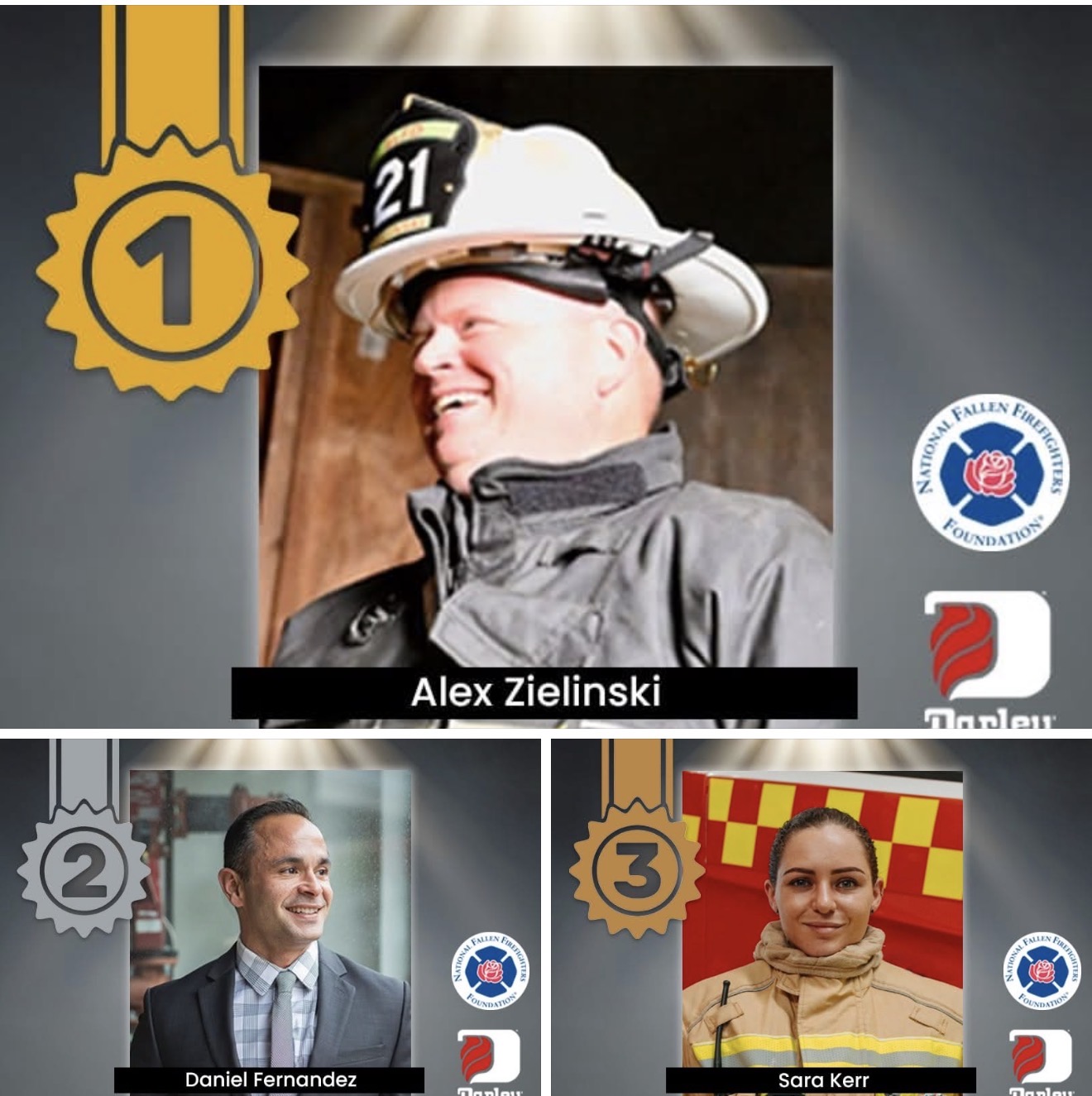
The essay is published by Darley and the National Fallen Firefighters Foundation and is permanently archived on Zenodo.
Full Essay on Zenodo: Beyond the LODD Report: A Health Risk Intelligence System for Predicting and Preventing Firefighter Injuries and Deaths
Cite this essay: Zielinski, A. (2026). Beyond the LODD Report: A Health Risk Intelligence System for Predicting and Preventing Firefighter Injuries and Deaths (Version Author’s submitted version). Zenodo. https://doi.org/10.5281/zenodo.23874919